
StainWise™
Identify a Stain. Learn How to Remove It.
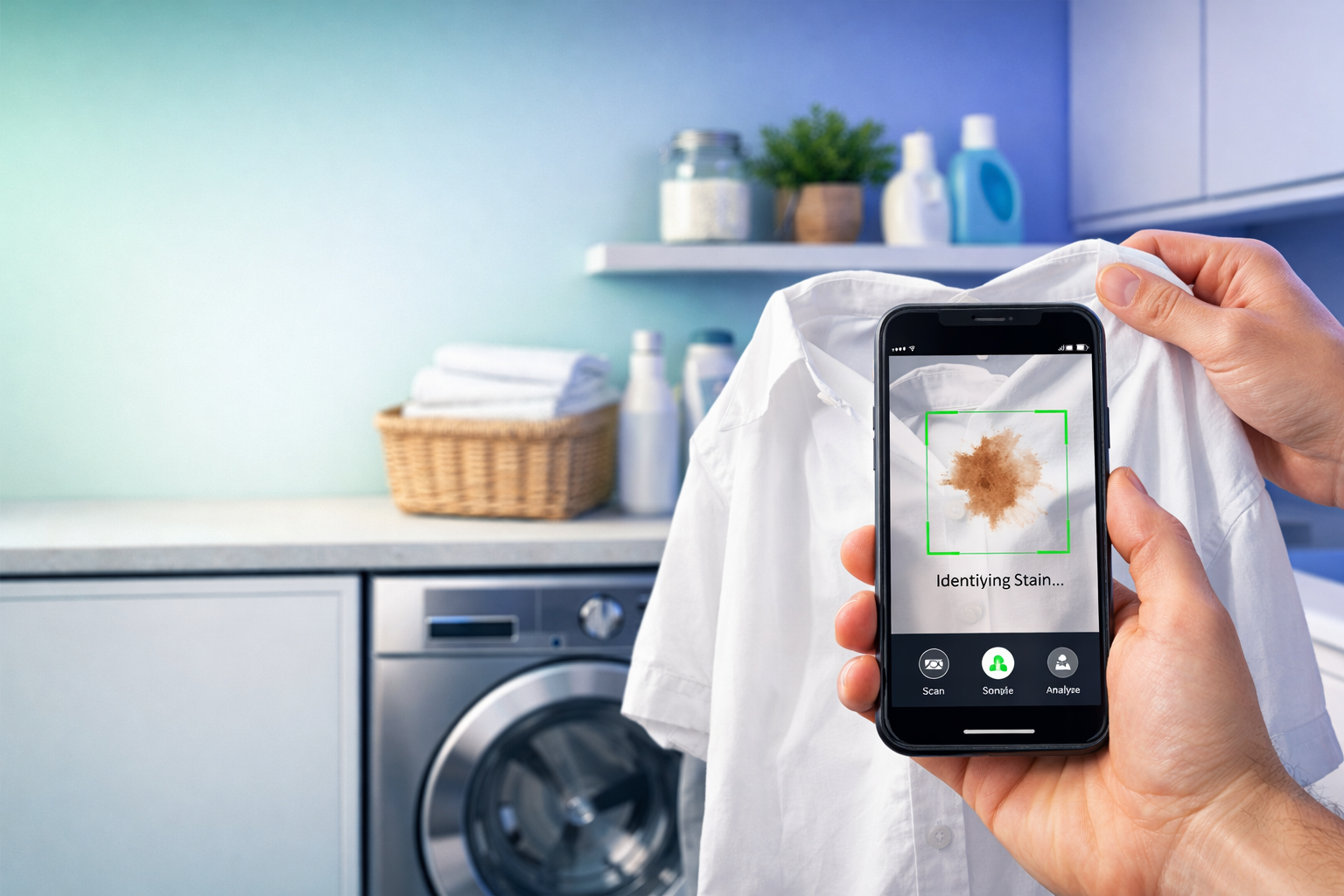
Photograph the mark you are dealing with and StainWise helps identify what it most likely is, then gives you a cleaning method matched to the fabric. Behind the tool sits a growing library of 30 stain removal guides, 12 fabric care guides and 12 laundry fundamentals you can read for free, no account needed.
AI identification is a well-informed suggestion, not a guarantee. Always check the garment care label before treating anything.
Built on 16+ years of professional laundry experience
Founded by Michael McCormick, owner/operator of Habersham Street Laundromat LLC in Savannah, Georgia — stain removal, commercial and residential laundry, fabric and linen care.
How StainWise Works
1. Upload a photo
Take or upload a picture of the stain. You can also tell StainWise what the fabric is, which meaningfully improves the guidance.
2. Identify the stain
StainWise analyses the image together with the details you provide and suggests the most likely stain type, with a confidence level rather than a false certainty.
3. Get cleaning guidance
You receive a fabric-conscious method for the likely stain and material, including what to avoid so you do not set the mark permanently.
Popular Stain Guides
View all 30 stain guidesHow to Remove Coffee Stains From Clothes and Carpet
A fabric-by-fabric method for removing fresh and dried coffee stains, including milky lattes, plus the mistakes that make coffee marks permanent.
How to Remove Red Wine Stains From Fabric and Carpet
Red wine combines natural dye with tannin, which is why it sets fast. Here is the correct emergency response, a fabric-by-fabric method, and how to treat dried wine stains.
How to Remove Blood Stains From Clothes, Sheets and Upholstery
Blood is a protein stain that hot water sets permanently. Learn the cold-water and enzyme method, fabric-specific limits, and how to lift old dried blood.
How to Remove Grease Stains From Clothes and Fabric
Grease stains look darker when wet and reappear after washing because oil is not water-soluble. Learn the absorb-then-degrease method that actually works.
How to Remove Ink Stains From Clothes and Fabric
Ballpoint, gel and fountain pen inks need different treatments. Learn which solvent suits each, why blotting technique matters, and what to avoid.
How to Remove Grass Stains From Clothes and Sports Kit
Grass stains are chlorophyll dye plus plant protein, which is why bleach alone fails. Learn the enzyme and alcohol method that actually works on knees and kit.
How to Remove Tomato Sauce Stains From Clothes
Tomato sauce leaves an orange mark because lycopene is oil-soluble. Learn why detergent alone fails, the correct degrease-then-decolour order, and fabric-specific limits.
How to Remove Sweat Stains and Yellow Underarm Marks
Yellow underarm stains are usually a reaction between sweat proteins and antiperspirant aluminium, not dirt. Learn what actually removes them and what makes them worse.
Browse by Stain Type
Stains behave according to their chemistry, not their colour. Grouping them this way makes it easier to find the right approach — and to understand why the same method will not work on everything.
Food & Drink
11Tannin, sugar and pigment stains from drinks and meals. Most respond well to prompt cold-water treatment before any heat is applied.
Biological & Body
5Protein-based stains such as blood, sweat and pet accidents. These need cool water and enzyme-based treatment — hot water sets them permanently.
Cosmetics
3Oil-and-pigment blends from makeup products. They usually need a gentle solvent or dish-soap step before laundering.
Outdoor
4Plant, soil and resin stains picked up outdoors. Loose soil should be dried and brushed away before any liquid is applied.
Household
6Dyes, pigments, adhesives and mineral marks from around the home. Several of these need solvents or very specific products.
Automotive & Heavy Stains
1Heavy petroleum-based soiling that ordinary detergent alone rarely lifts. These usually need a degreasing pre-treatment.
Fabric Care
The fabric matters as much as the stain. The treatment that saves a cotton shirt can shrink wool or strip the finish from a technical fabric. These 12 guides cover safe methods, water temperatures, products to avoid and drying, material by material.
- Carpet Care Guide: Blotting, Wicking and Removing Set-In Stains
- Cotton Care Guide: Washing, Temperatures and Stain Treatment
- Denim Care Guide: Washing Jeans, Indigo and Stain Treatment
- Linen Care Guide: Washing, Creasing and Stain Treatment
- Microfibre Care Guide: Cleaning Cloths, Upholstery and Suede-Look Fabric
Laundry Knowledge Center
Most stain removal failures come down to process, not product: hot water on a protein stain, a tumble dry before the mark has gone, or scrubbing that spreads it. These 12 articles cover the fundamentals.
- 12 Common Stain Removal Mistakes and What to Do Instead
- Cold Water vs Hot Water for Stain Removal: Which to Use
- How Enzyme Cleaners Work and When to Use Them
- How to Pre-Treat a Stain Before Washing
- How to Prevent Colour Bleeding and Dye Transfer in the Wash
Why StainWise?
Identification is the hard part
Plenty of sites will tell you how to remove a coffee stain. That only helps if you already know it is coffee. StainWise starts from the photograph, which is where most people actually get stuck.
Fabric-conscious advice
Every recommendation considers the material. Where a method would risk wool, silk or a dry-clean-only garment, we say so plainly instead of giving one generic answer.
Explains the reasoning
Each guide explains why a method works. Understanding that blood is a protein and coffee is a tannin is what stops you making the same mistake next time.
Important Safety Information
- Always check the manufacturer's care label before treating a garment, and follow the instructions on any cleaning product you use.
- Test every treatment on an inconspicuous area first — an inside seam, hem or hidden corner — and let it dry before treating the visible stain.
- Never mix cleaning chemicals unless the manufacturer specifically instructs you to. In particular, never combine chlorine bleach with ammonia, vinegar or other acids, or rubbing alcohol.
- Stain removal always carries some risk of discolouration or damage. For valuable, antique or dry-clean-only items, a professional cleaner is the safer choice.
- AI identification can be wrong. Treat the result as a starting point and stop if the fabric begins to change colour or texture.